Annual Birthday Letters to Yourself: Write One Every Year
Turn your birthday into a recurring opening date and write one honest note each year for the version of you who will read it later.
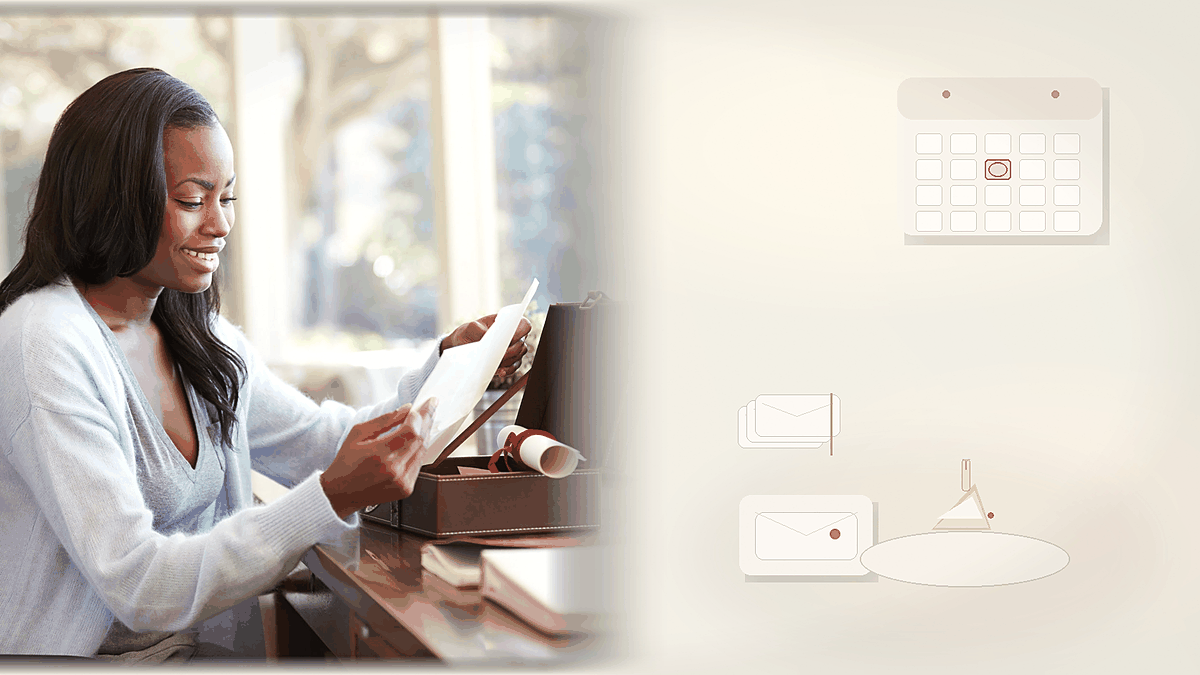
The easiest way to write annual birthday letters to yourself is to treat your birthday as a recurring opening date, not just a day to celebrate.
That small shift changes the whole practice. Instead of writing one perfect letter and hoping it still feels relevant later, you create one honest note each year for the version of you who will open it next. The result is less like a journal entry and more like a time capsule with a built-in rhythm. You do not need a dramatic milestone to begin. You only need one birthday, one page, and a willingness to be honest about what this year has felt like.
That is also why the format works so well for Preserly. A birthday note gives the present a place to land and gives the future a clear date to meet it again. If you want to understand the memory-first thinking behind that, Why Preserly Starts With Memory, Not Storage explains why one meaningful note is often more useful than a pile of loose files.
Writing it can also help you notice what is true before the year gets summarized too quickly. Research on expressive writing suggests that putting thoughts into words can help people organize feelings and make sense of change more clearly expressive writing research. A birthday letter is not therapy, but it does use that same useful move: name the moment while it is still close enough to hold.
If you want a simple way to keep each note safe until the next birthday arrives, Preserly gives it a home. How it works explains the flow, and Our Promise covers the trust side before you start.
Why birthdays are the cleanest recurring opening date
Birthdays already carry meaning. You do not need to invent a reason to open the letter later because the date is built into the ritual.
That matters more than it sounds. A lot of future-facing writing starts strong and then gets lost because the opening moment is vague. "Sometime next year" is easy to forget. "On my next birthday" is easy to return to. The date already belongs to you, so the letter feels personal instead of procedural.
The date already means something
Some future dates are arbitrary. Birthdays are not.
Even when you do not care much about a party, the day still marks a clean edge in time. It is the one moment every year when you can look back without needing a special reason. That makes it a natural container for reflection, because the calendar is already doing half the work.
That is why annual birthday letters are easier to keep than a one-off note that floats in a folder. The date gives the practice structure, and structure makes repetition possible.
A birthday note captures one full year at a time
The best birthday letters are usually not about your whole life.
They are about one year. One stretch of time. One season that had its own shape, habits, worries, and small victories. That narrower focus makes the letter more honest. You are not trying to write the definitive story of yourself. You are trying to preserve one chapter before it gets edited by memory.
That is also what makes the yearly version more useful than a single long reflection. A chain of birthday letters lets you see change over time without forcing one note to do too much work.
The yearly rhythm makes the practice easier to keep
Habits are easier when the calendar reminds you to begin.
If you write only when inspiration strikes, the practice can disappear for months. If you write on your birthday, the ritual comes back on its own. You already know when it happens. You already know what it means. That kind of repeatable anchor is exactly why a birthday letter belongs inside a capsule rather than in a random notes app.
If you want a broader version of the same idea, How to Write a Letter to Your Future Self covers the evergreen format, while Letter to Your Future Self Prompts gives you more ways to get a first draft moving.
What to write in an annual birthday letter
The goal is not to write something impressive. The goal is to write something true enough that future you will recognize the person who wrote it.
Start with the facts that will not stay obvious forever. What changed this year? What stayed the same? What felt heavier than expected? What felt lighter than you thought it would? Those details are what make a birthday note feel like a keepsake instead of a generic reflection.
The year in review
Begin with the practical shape of the year.
Write a few plain lines about:
- where you lived
- what occupied most of your energy
- what you worked on
- what you were worried about
- what surprised you
- what you kept returning to
That kind of detail gives the note a place and a date. Future you may remember the headline of the year, but not always the texture. Texture is what makes the letter feel alive later.
The emotional truth
Then move into the part most people skip: how the year actually felt.
You do not need polished language. Short, direct sentences are often better here. You might write:
- I felt steadier than I expected.
- I was more tired than I admitted.
- I cared more about this than I let myself say.
- I was proud of myself for getting through that season.
- I did not know what would happen next, but I kept going.
Those lines matter because they preserve the inner weather of the year, not just the events.
What you want future you to notice first
The last layer is the one that makes the letter future-facing.
Ask yourself what you want the next version of you to notice first when the note is opened. Do you want them to remember a relationship? A move? A hard decision? A quiet happiness that might otherwise be forgotten?
That question gives the letter its spine. It turns the page from "what happened" into "what mattered enough to keep."
A simple birthday letter template you can reuse every year
You do not need to invent the structure from scratch. Keep it simple and repeatable.
Opening line
Start by naming the date and the moment.
You could write:
Dear future me, today is my birthday, and I want to remember this year before it blends into the next one.
That is enough to begin. You do not have to explain everything right away.
The year in review
Spend the next paragraph or two on the shape of the year.
Write about the people, routines, changes, and decisions that defined it. Keep the sentences concrete. A birthday letter becomes stronger when it sounds like a person remembering a real year, not someone trying to sound wise.
The honest middle
This is where you say the thing that feels hardest to say out loud.
Maybe you are proud. Maybe you are relieved. Maybe you are still in the middle of something and do not know how it ends yet. That is fine. The middle of the letter is where honesty matters most, because future you will probably care more about the truth than the polish.
The future opening date
Close by naming when the note should be opened.
You can choose:
- your next birthday
- a milestone birthday
- one year from today
- the birthday when you expect life to feel different
- the next year you want to compare against this one
If you want more help with milestone timing, Letter to Your Future Self for Graduation is a useful example of how a threshold moment changes the tone of the note.
Prompts when the page feels blank
Some birthdays arrive with a lot of feelings. Others arrive with almost none. Both are fine.
If you do not know what to write, do not ask yourself for a perfect paragraph. Ask for one sentence. Then use that sentence as the first thread.
Prompts about the year that just passed
- What changed the most this year?
- What did I carry longer than I expected?
- What became easier?
- What became harder?
- What do I want to remember about this version of my life?
Prompts about the version of you who will read this later
- What do I hope future me will be glad I noticed?
- What do I want future me to remember about how I handled this year?
- What should future me know before they open this note?
- What would I be relieved to hear from myself later?
Prompts about what you do not want to forget
- What detail from this year would be easy to lose?
- What ordinary thing felt meaningful enough to keep?
- Who was especially important to me this year?
- What did I almost miss while I was living through it?
If you want a larger list of starting points, Letter to Your Future Self Prompts gives you fifty options, and How to Write a Letter to Your Future Self shows how to turn one prompt into a full note.
How to choose the next opening date
The opening date is not just a detail. It is part of the meaning.
When you choose the next birthday, you are deciding what kind of future conversation you want with yourself. Some people want a one-year check-in. Others want a bigger milestone. Both are valid. The best date is the one that will feel emotionally clear when it arrives.
One year from today
This is the simplest option.
Use it when you want the note to become a yearly habit. A one-year gap is long enough to show change and short enough that future you will still recognize the person who wrote the letter.
The next milestone birthday
This works well if you want the note to mark a bigger shift.
Thirty, forty, fifty, sixty. Or any birthday that already feels like a chapter break. Milestones add extra emotional weight, which can make the note feel more significant when it is finally opened.
A chain of yearly notes
This is the most useful version if you want to make the ritual sustainable.
Each year, write a new birthday note and set the next one to open a year later. Over time, the letters become a quiet record of change. You will see what repeated, what resolved, and what mattered enough to keep showing up.
That is where Preserly fits naturally. How it works shows how the capsule and delivery date are set up, so the note is not left to memory or chance.
How to keep annual letters together
The letter only matters later if you can find it later.
That is why the storage side matters as much as the writing side. A birthday note should be easy to reopen, easy to compare, and easy to trust.
Label each note clearly
Add the year, the birthday, and the planned opening date.
That way, future you can tell the notes apart without guessing which one belongs to which season. If you write one every year, the labels become part of the story.
Keep one memory, one note, one place
Try not to scatter the same letter across several apps and folders.
One place is easier to remember and easier to revisit. If you also want to keep a photo, voice note, or small memory from the same day, pair it with the letter instead of separating them. The Smithsonian's time capsule guidance makes the same practical point: the future only benefits from what the present chooses carefully time capsule guidance.
Add enough context for the letter to make sense later
Do not assume future you will remember the background.
Add the names, dates, and small details that make the letter legible later. A few lines of context can turn a note into a memory. Without context, even honest writing can feel oddly distant.
If you want a place built for that kind of handoff, Our Promise covers the trust side, and Why Preserly Starts With Memory, Not Storage explains why the memory itself matters more than the volume of what you save.
FAQ
What should I write in a birthday letter to myself?
Write about what changed this year, what stayed true, what was harder than expected, what felt meaningful, and what you want future you to remember first.
How long should the letter be?
Long enough to be honest, short enough to finish. One page is often enough if the details are specific.
Should I handwrite it or type it?
Either works. Handwriting can feel more personal, while typing can make yearly letters easier to organize and reopen later.
Can I write one every year?
Yes. That is the whole point of the format. Annual birthday letters become more interesting when you keep them going over time.
The real point
The point of annual birthday letters to yourself is not to write something impressive on your birthday.
It is to leave a small, honest record of the year you just lived before it becomes hard to describe. One year later, that note can give you back a feeling, a context, or a reminder you would otherwise have lost.
If you want to start the habit, write one letter today, give it a clear opening date, and keep it somewhere you can trust. If you want a simple place for that note to wait, start a free capsule and let next year open it.